

Choosing Ergonomic Furniture That Actually Fits Your Body
Learn what to look for in chairs, desks, and beds. Includes specific measurements and adjustment tips that reduce strain on your neck, back, and shoulders.
Read MorePractical guides for ergonomic furniture, smart climate control, organized spaces, and accessible living solutions designed for the 40-60 age group
Whether you're looking to reduce back pain, simplify your daily routines, or make your home easier to navigate, we've gathered resources that focus on real comfort and functionality. These aren't one-size-fits-all solutions — they're approaches that actually work in everyday life.
Explore our collection of guides and strategies to improve your living space
Learn what to look for in chairs, desks, and beds. Includes specific measurements and adjustment tips that reduce strain on your neck, back, and shoulders.
Read More
Explore smart thermostats and ventilation systems that you can actually understand. We break down the setup process and explain which features actually matter for comfort.
Read More
Practical systems for kitchens, closets, and storage areas that reduce frustration. These aren't trendy — they're designed to actually make daily life easier and faster.
Read More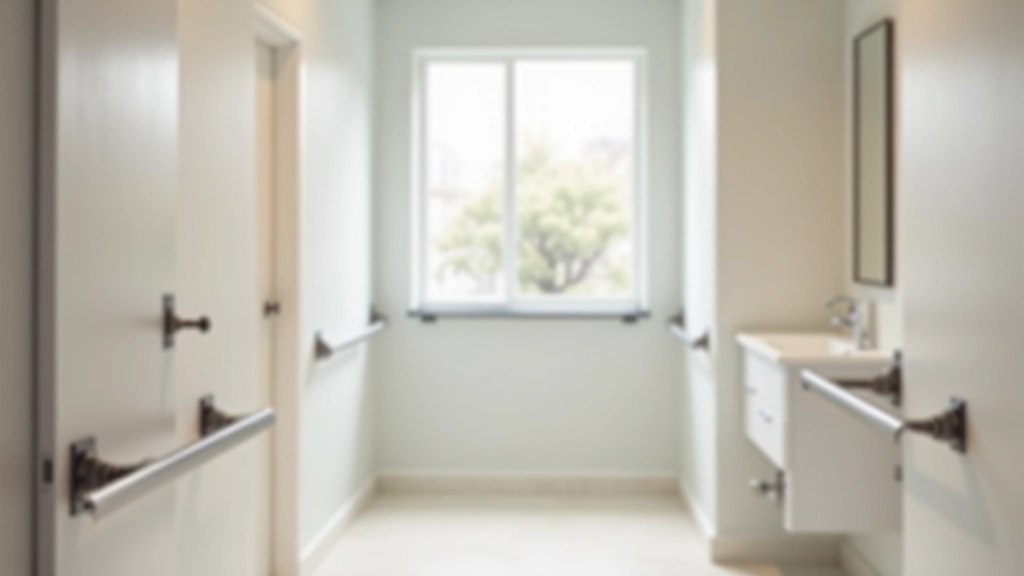
Simple modifications that improve safety and independence. From grab bars to lighting upgrades, these changes make a real difference in daily comfort and confidence.
Read MoreEvery recommendation in our guides is based on these ideas about what makes a home truly comfortable
A comfortable home reduces pain, improves sleep, and makes daily tasks easier. We focus on solutions that address real physical needs, not trends or aesthetics alone.
Complex systems create stress. Whether it's smart home technology or organization methods, we recommend approaches you can actually understand and maintain without frustration.
Good design benefits everyone. Grab bars in bathrooms, clear labeling, and accessible storage aren't just for people with mobility challenges — they make life easier for all of us.
Your home doesn't need to be magazine-ready. We focus on practical improvements that fit into real life and actually get used, not expensive solutions that sit unused in the corner.
Don't try to overhaul everything at once. If your back hurts when you sit, focus on the chair first. Once that's solved, move to the next problem. Small wins build momentum.
Try adjustable furniture at a store, visit a friend who has smart home tech, or test an organization system in one drawer before buying everything. What works for others might not work for you.
Expensive doesn't always mean better. A mid-range ergonomic chair that you'll actually use beats a luxury chair that doesn't fit your body. Look for honest reviews from real people, not marketing language.
Needs change. What works at 45 might need adjustment at 55. The best approach is flexible — choose solutions that can be modified or updated without complete replacement.